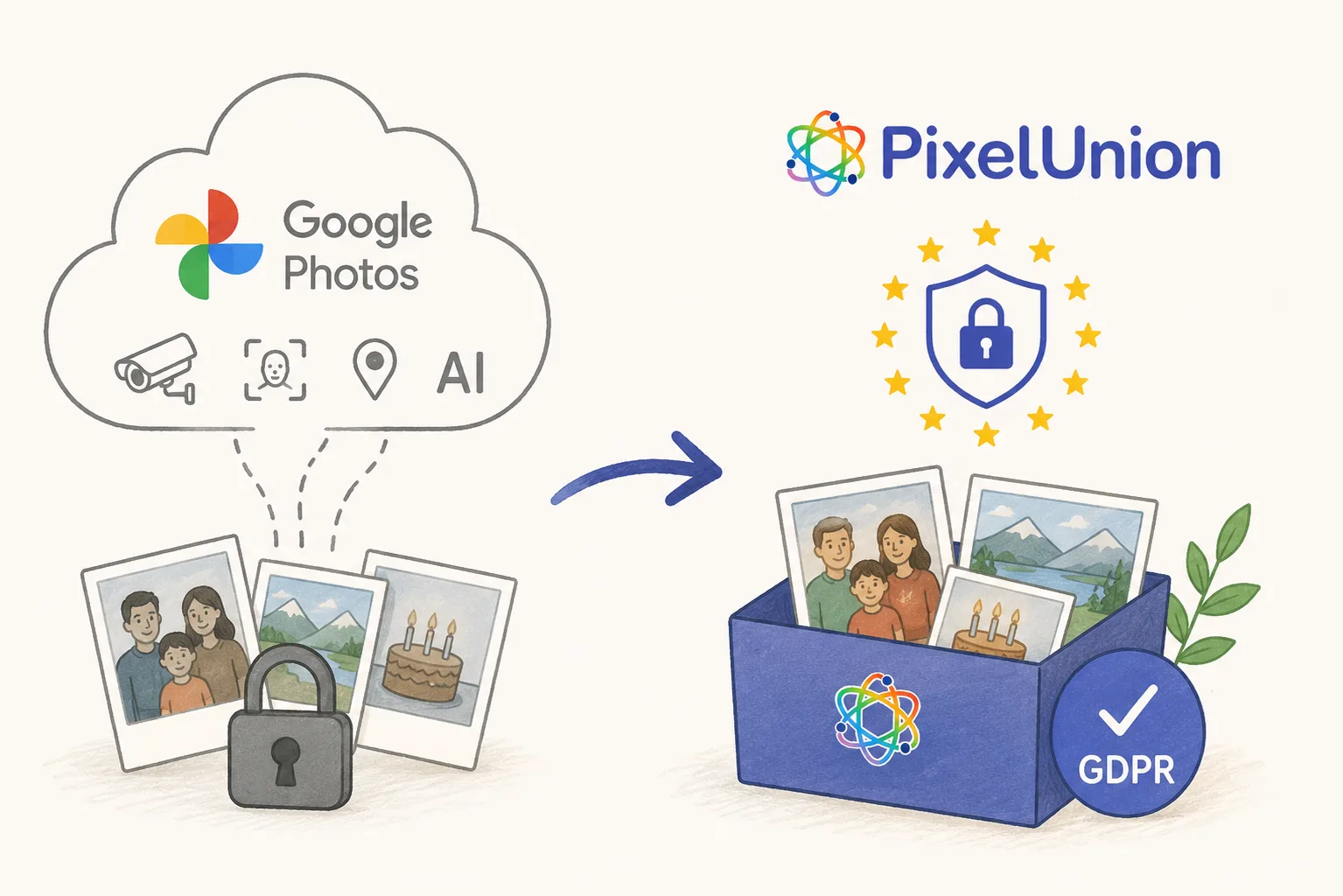
Why it's time to leave Google Photos
Google Photos is cheap and convenient, but you pay with your privacy. We lay out the risks and show why a European alternative is worth it.

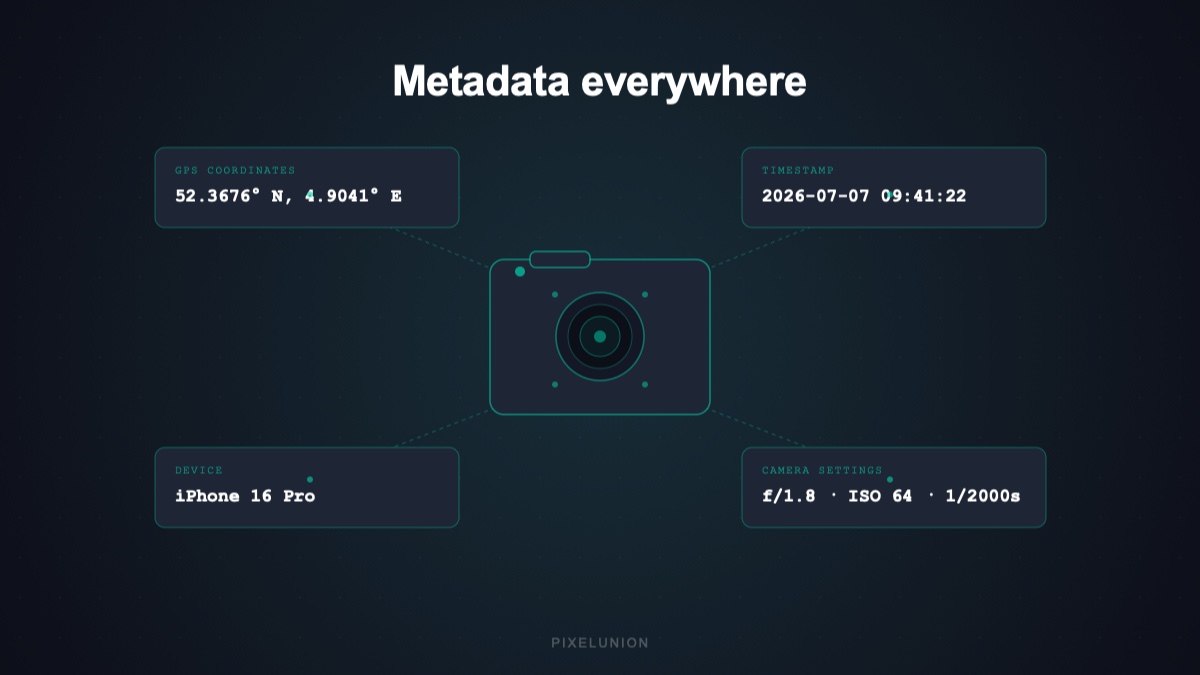
You took a photo. But the file contains a lot more than just the image. GPS coordinates, the time, your device, sometimes even your face — all baked in automatically. Here is what metadata is and why it matters.

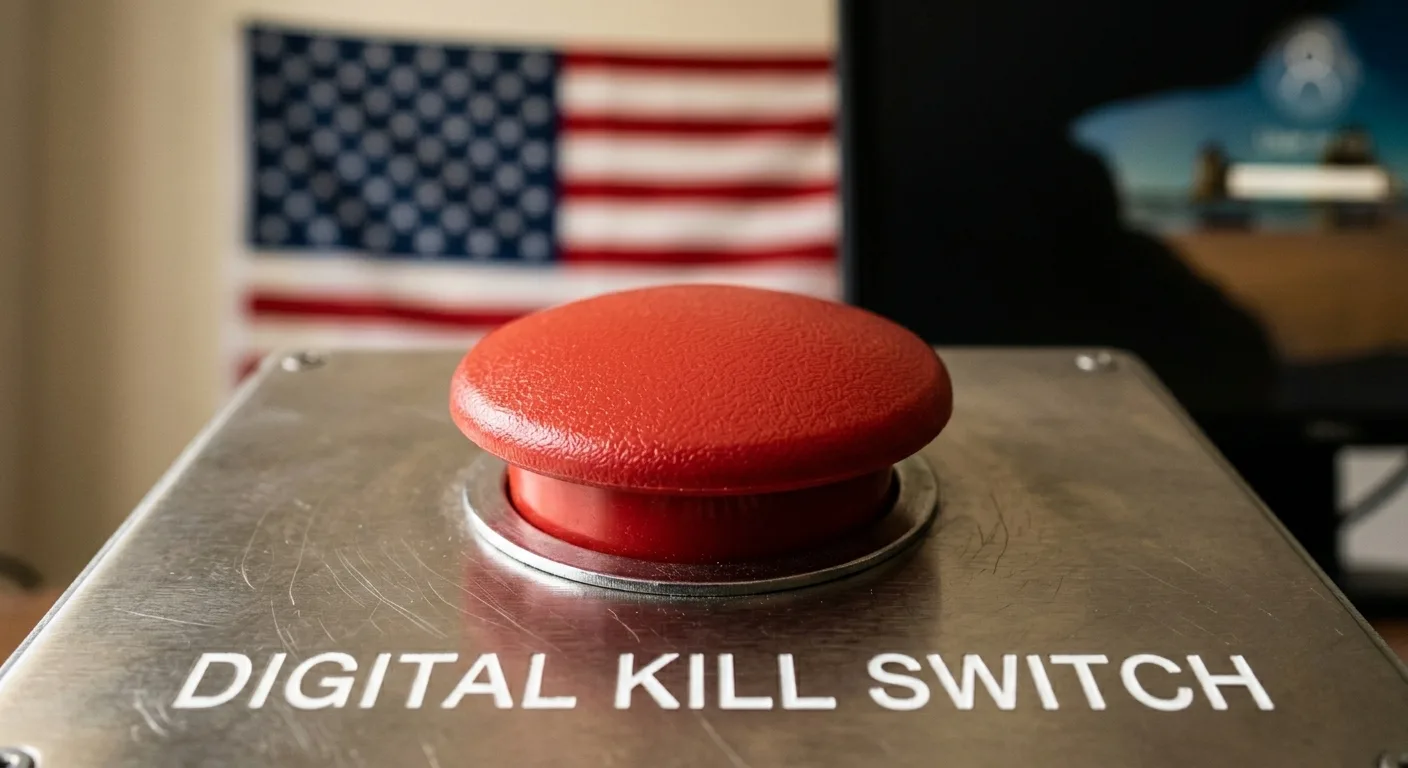
A U.S. export ban wiped out access to the world's most advanced AI overnight. It's a wake-up call for anyone still relying on American cloud infrastructure.

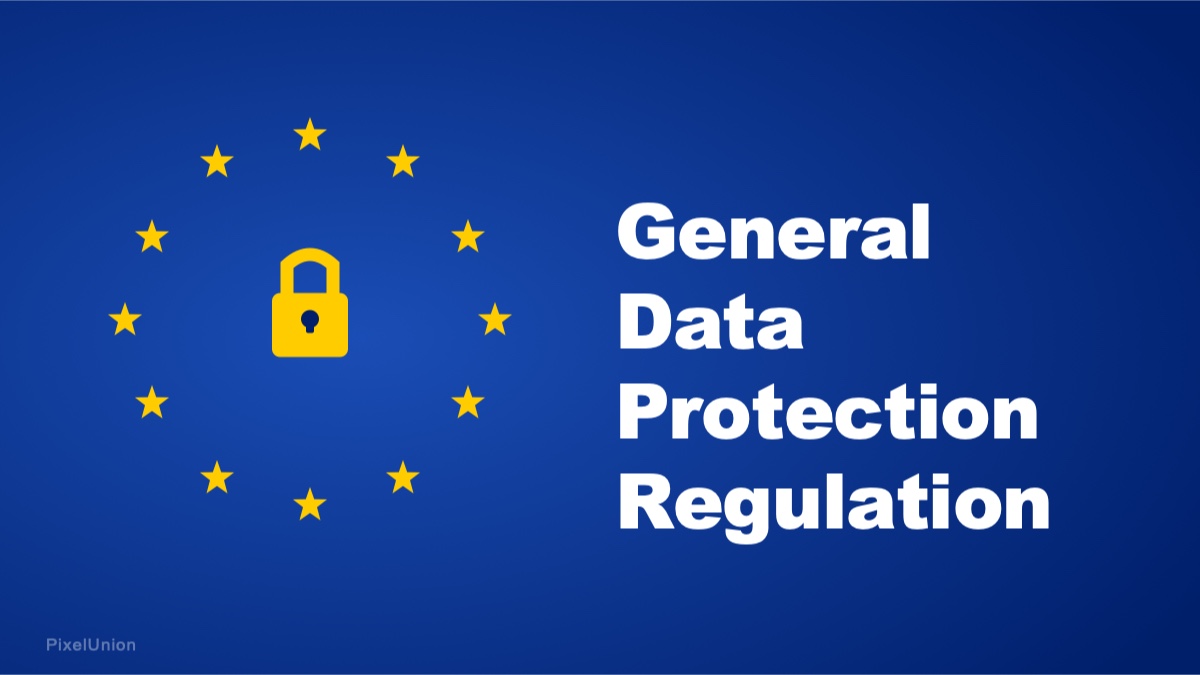
GDPR is everywhere — cookie banners, privacy policies, scary-sounding acronyms. But what does it actually mean for you and your data? A plain-language guide to your real rights.

The FIFA World Cup 2026 has kicked off in North America. Billions of photos will be taken. Here's why storing them safely and privately matters more than ever.

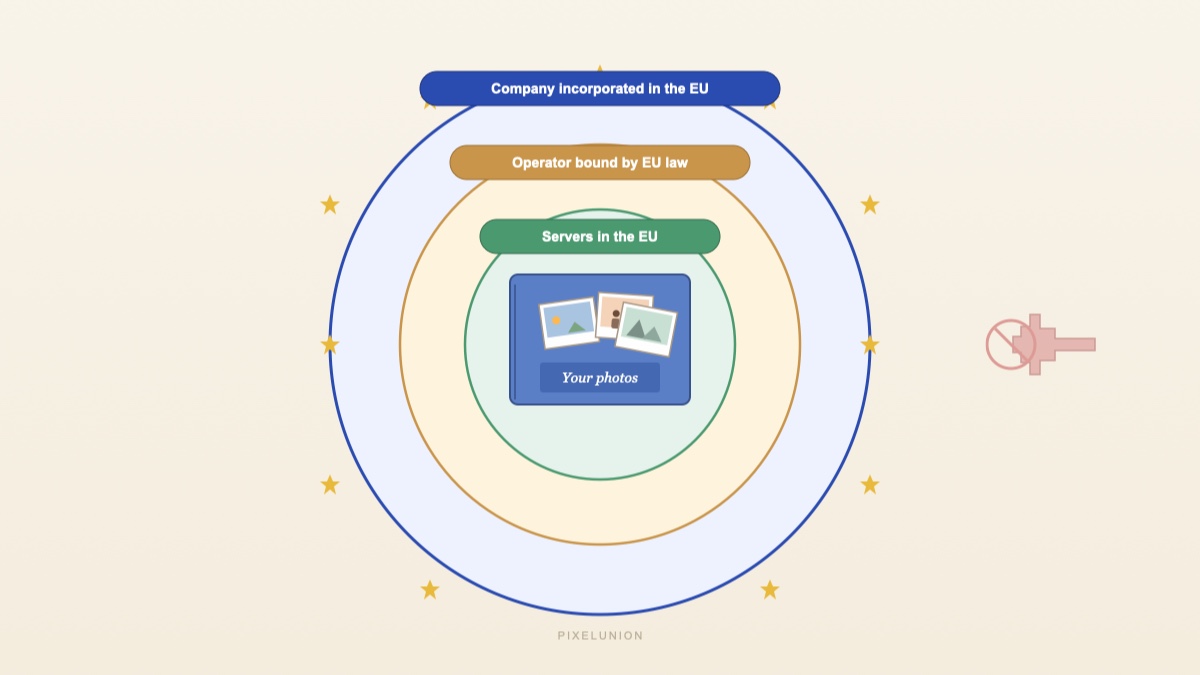
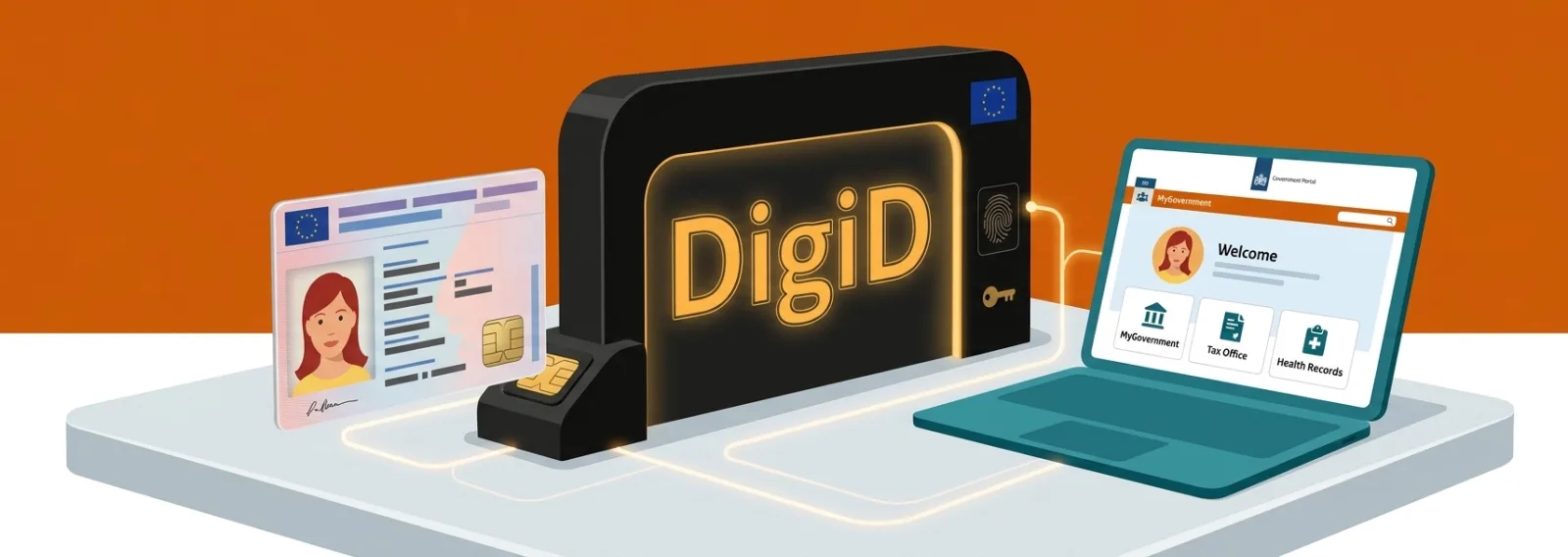
Why the Dutch government blocked the takeover of DigiD infrastructure by an American company, and what that says about privacy, digital autonomy, and European data sovereignty.
Albums in Immich are simple but powerful. You can organise your library however makes sense to you, and share specific collections with family or friends - privately, on your own terms.
Immich uses CLIP, an open-source AI model, to understand the content of your photos - so you can search for 'sunset at the beach' or 'birthday cake' and actually find them. No tags required.
Immich recognises the people in your photos and groups them together - privately, on your own server, with no data sent to Big Tech. Here is how it works and why it matters.
France is switching to Linux and open source. Discover why digital sovereignty matters, and how PixelUnion applies the same values to your photos.